
Foundation Repair in Rockport, TX
Rockport homes take a different kind of beating. Bay moisture hangs around, storms dump water fast, and the soil can change from sandy fill to clay-bearing pockets across the same property. After 20 years working on foundations in the Coastal Bend, I know the repair has to match the ground, the drainage and the way the house was built—not a one-size-fits-all sales plan.
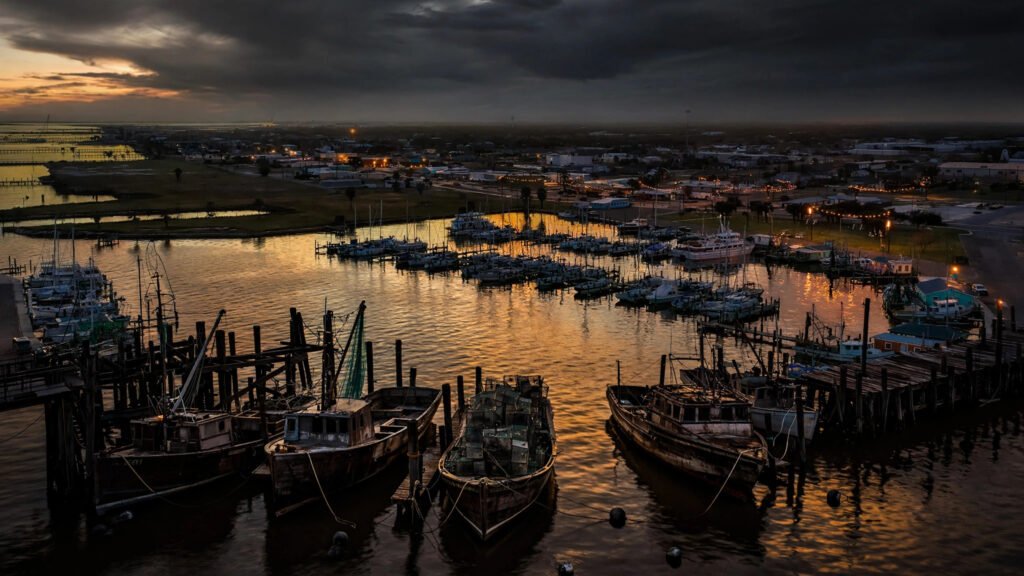
Rockport homes need a coastal repair plan
I have worked on enough foundations around the Coastal Bend to know that the visible crack is rarely the whole story. In Rockport, the question is often how water moves across the lot, how close the home sits to bay moisture, and whether an older pier-and-beam frame is reacting differently from a newer slab.
We start by reading the house. That means checking elevations, the crawlspace or slab, exterior drainage and the soil conditions around the problem area. Then we explain what is moving, what is still stable and which repair makes sense. If a small drainage correction is the honest first step, that is what we say.
Warning signs in Rockport homes
One symptom by itself does not prove foundation failure. Several related signs, especially when they change after heavy rain or a long dry spell, are worth checking.
Floors slope or feel soft
Common in older pier-and-beam homes when supports settle, shims loosen or crawlspace moisture damages wood.
Doors drag or will not latch
Openings can shift out of square as one section of the foundation moves differently from the rest.
Cracks step through masonry
Diagonal or stair-step cracking can point to uneven movement, especially when it widens over time.
Trim and cabinets separate
Gaps at crown molding, counters or built-ins can show the frame is twisting or dropping in one area.
Water sits below the house
Ponding near piers keeps the crawlspace damp and can weaken soil support and wooden components.
Problems worsen after storms
New sticking doors, fresh cracks or settled areas after heavy weather can be tied to saturation or washout.
Foundation services in Rockport
Slabs, older beach homes and raised pier-and-beam structures do not fail the same way. Each service starts with finding the cause and the limits of the movement.
Pier & Beam Repair
Support correction, leveling and wood-component evaluation for raised homes exposed to crawlspace moisture.
Pier & beam detailsSlab Foundation Repair
Targeted support for concrete slabs showing uneven settlement, interior cracking or movement at exterior walls.
Slab repair detailsHouse Leveling
Careful elevation correction where floors have dropped, framing has shifted or a home has settled unevenly.
House leveling detailsPiers & Pilings
Deeper support options for sections that need load transferred beyond unstable or moisture-affected surface soil.
Piers & pilings detailsSlab Jacking
Lift and void-filling options for suitable settled concrete areas after the source of support loss is understood.
Slab jacking detailsDrainage & Waterproofing
Water-control improvements for ponding, poor runoff and recurring moisture around slabs and crawlspaces.
Drainage detailsWhy Rockport foundations shift
Rockport sits in a coastal environment where foundations can see moisture from more than one direction. Humid air keeps crawlspaces damp. Heavy rain can soak the perimeter in hours. Wind-driven storms move water across lots that normally look dry. Then hot, dry weather pulls moisture back out of clay-bearing areas.
That movement is not always uniform. Sandy fill may drain fast but can wash or lose support. Clay holds water, expands and later shrinks. On an older beach home, individual piers can react differently depending on shade, runoff and repairs made over the years. On a slab, the same conditions may show up as a high edge, a low interior or diagonal cracks.
Bay and coastal moisture
Persistent humidity and damp ground can affect crawlspace wood, shims and soil around shallow supports.
Storm saturation and erosion
Fast runoff can soften bearing soil, create voids or carry soil away near edges and piers.
Sandy and clay soil changes
Mixed conditions cause different parts of the house to react at different rates through wet and dry cycles.
Older raised construction
Decades of added shims, replaced beams or altered drainage can complicate how a pier-and-beam home settles.
Our foundation repair process
You should understand what is happening under your home before anyone talks about the size of a repair.
Listen and inspect
We start with what you have noticed, then check the structure, elevations, drainage and problem areas.
Find the cause
We separate normal cosmetic wear from active movement and identify the conditions driving it.
Lay out the repair
You get a clear explanation of the recommended work, the areas involved and what the repair is meant to correct.
Repair and verify
We complete the planned work, make measured adjustments and review the result before closing the job.
Foundation repair near Rockport
We also inspect and repair foundations in nearby coastal communities where soil, drainage and construction types create their own patterns of movement.
Rockport foundation repair FAQ
These are the questions that matter when your home is near the water, built on mixed soil or has already been through serious coastal weather.
Why do foundations move so much in Rockport?
Rockport foundations deal with coastal moisture, fast wet-to-dry changes, storm runoff and mixed sandy and clay-bearing soils. Those conditions can wash support away in one area while shrinking or swelling soil in another. The result is often uneven movement rather than the whole house settling together.
Are pier-and-beam homes near the bay harder to repair?
They are not necessarily harder, but they need the right inspection. We look at crawlspace moisture, wood condition, pier movement, shims and drainage around the home. Treating every low floor as a simple leveling job can miss the condition that caused the support to move.
Can a hurricane cause foundation damage even if the house stayed standing?
Yes. Heavy rain, standing water, erosion and sudden soil saturation can change support beneath a slab or pier-and-beam foundation without causing obvious storm damage above ground. New cracks, settled areas or doors that started sticking after a storm deserve a closer look.
Do cracks always mean I need foundation repair?
No. Some cracks are cosmetic. We look at the pattern, width, location and whether the crack is changing, then compare that with floor elevations, doors, windows and drainage. The goal is to confirm movement before recommending structural work.
Should I fix drainage before leveling the house?
Drainage and foundation movement should be evaluated together. If water is part of the cause, correcting only the elevation can leave the same moisture problem working against the repair. The order depends on the structure and where water is affecting support.
Get a clear answer about your Rockport foundation
If the floors have changed, cracks are spreading or the house reacted after a storm, it is better to understand the cause now. We will inspect the problem and explain the next step in plain language.