
Foundation Repair in Aransas Pass, TX
A foundation here deals with more than ordinary settling. Sandy ground, high moisture, storm water, and salt-heavy coastal conditions can all change the support below a slab or an older raised home. After years working on Coastal Bend foundations, I know the repair has to fit the house and the ground beneath it—not a standard sales package.
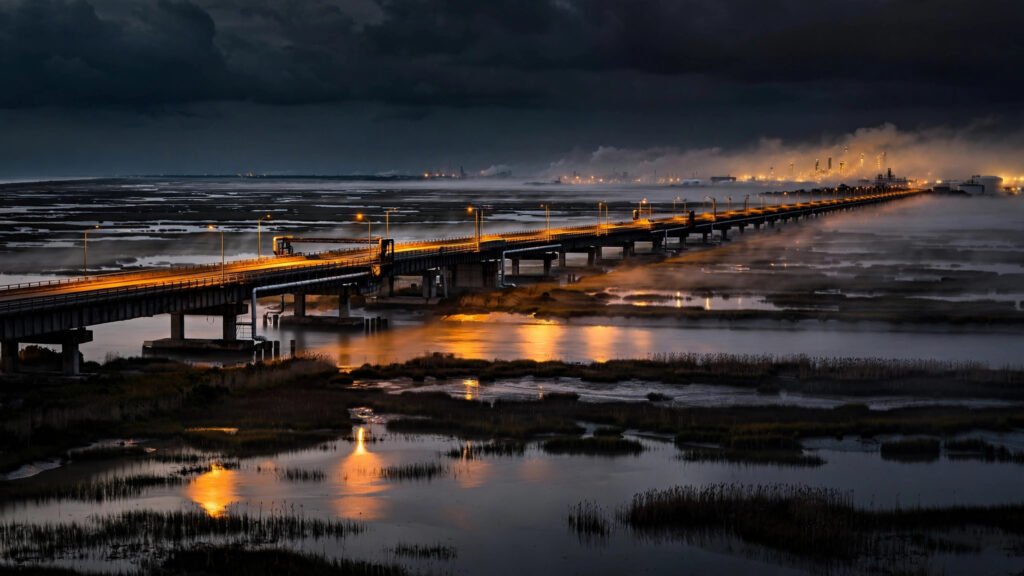
Wind-driven rain, standing water, and salty moisture change what we inspect around and below an Aransas Pass home.
We look at how your home is built—and what the water is doing
Aransas Pass is a working coastal town. Homes near the water, older cottages on piers, newer slab houses, and additions built at different times do not move the same way. A floor that dips in a raised house may come from a settled pier, a weakened beam, or moisture-damaged framing. On a slab, cracks and sticking doors may point to uneven support along one edge.
I start by reading the whole pattern: floor elevations, crack direction, crawlspace condition, drainage, plumbing clues, and the history of storm or flood water around the property. That keeps a cosmetic crack from being sold as a major repair—and keeps a real structural issue from being dismissed as “normal settling.”
Warning signs in Aransas Pass homes
One sign can be minor. Several signs appearing together—or getting worse after heavy rain, flooding, or a long dry stretch—deserve a closer look.
Raised homes can develop low spots when blocks settle, shims loosen, or the beam above loses solid bearing.
Coastal moisture below the house can damage subflooring, joists, and beams before a problem is obvious from outside.
If openings go out of square after wet weather or dry spells, one part of the foundation may be moving more than another.
A crack that returns is telling you the movement was never corrected. The support issue comes before the cosmetic repair.
Older rooms, decks, and enclosed porches may have separate support and can pull away from the original structure.
Storm runoff can remove supporting soil, leave voids, or keep wood and metal components continuously damp.
Foundation repair services in Aransas Pass
We match the repair to the foundation type, the movement pattern, and the conditions below the home. These are the six services we use to solve the problems we find.
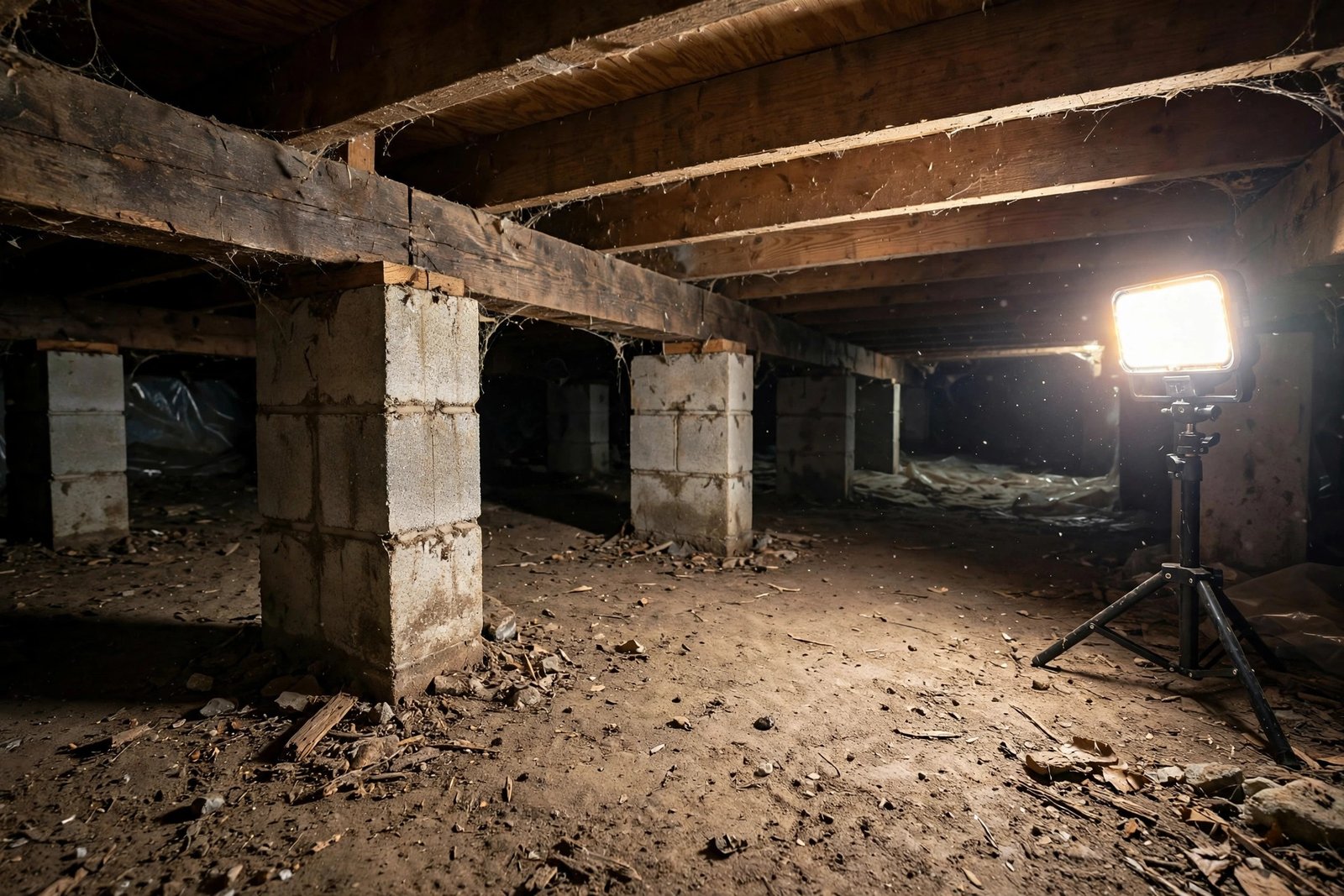
Pier & Beam Repair
Correct settled supports, damaged wood, loose shims, and uneven floors below raised coastal homes.
View service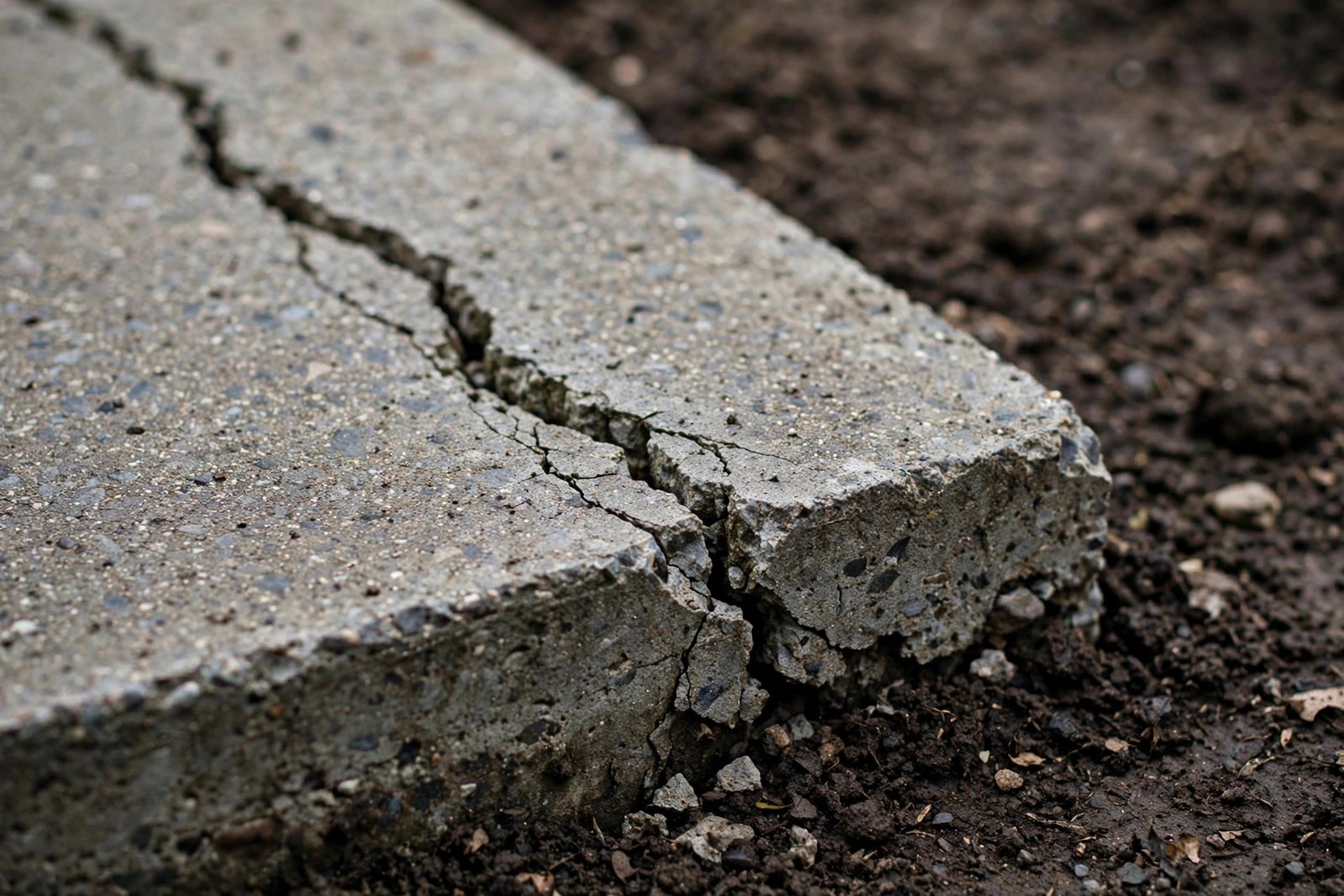
Slab Foundation Repair
Stabilize dropped corners, perimeter settlement, and sections losing support below the concrete.
View service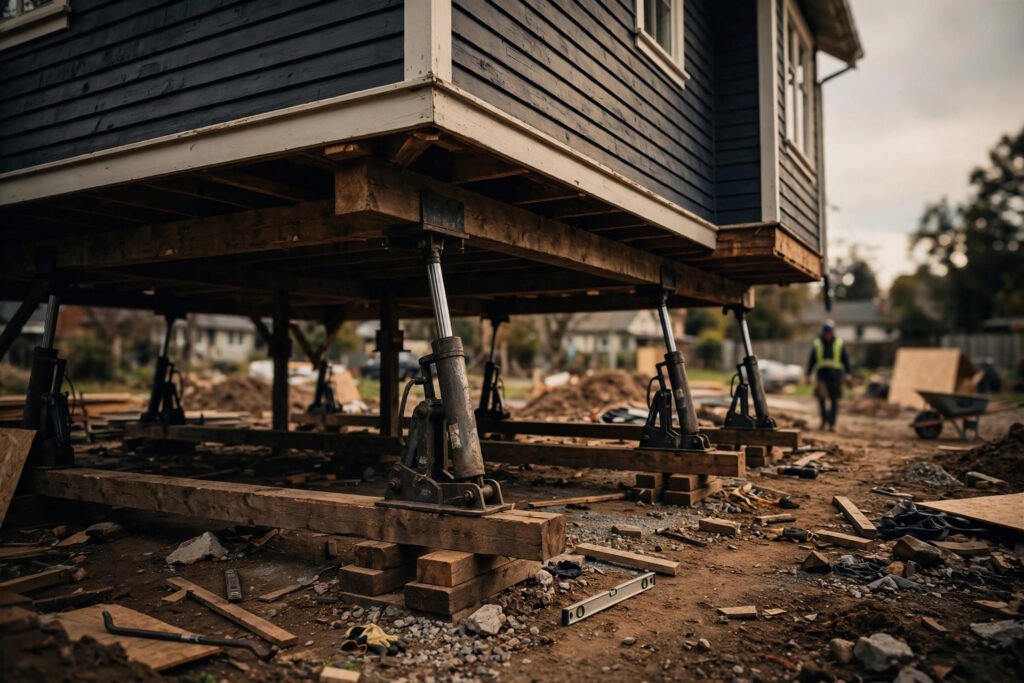
House Leveling
Bring low areas toward a safer elevation in controlled stages without forcing an older house beyond its limits.
View service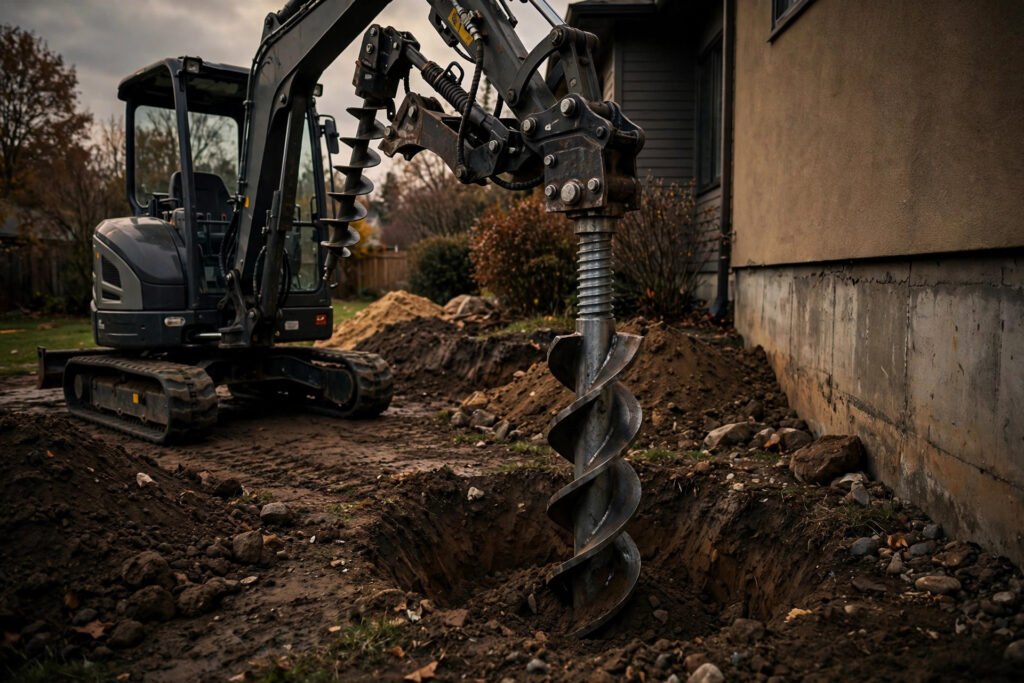
Piers & Pilings
Transfer the structure’s load past weak or unreliable near-surface material to better bearing support.
View service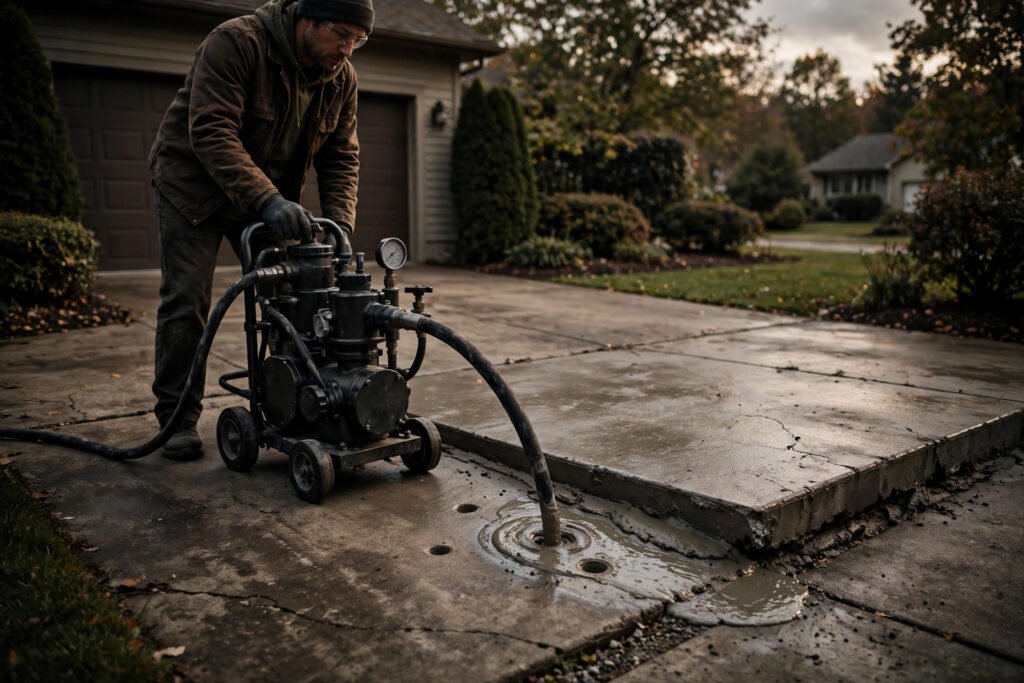
Slab Jacking
Fill certain voids and improve the elevation of suitable sunken concrete without removing the entire section.
View service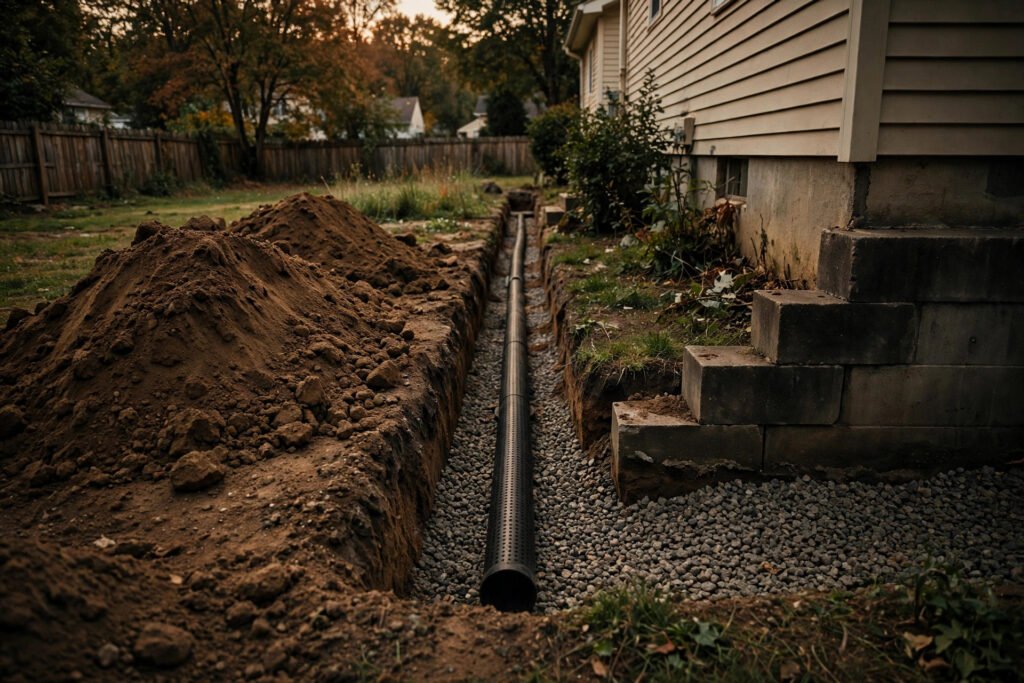
Drainage & Waterproofing
Control water around slabs and crawlspaces so the repaired foundation is not left in the same wet conditions.
View serviceWhy Aransas Pass foundations shift
Redfish Bay and the Gulf shape how water behaves here. During hard rain or storm conditions, low areas can stay saturated. On other weeks, heat and wind dry the surface quickly. That changing moisture does not affect every side of a house evenly.
Sandy soil can drain fast, but loose fill can also wash, settle, or leave a void where water repeatedly runs. Older waterfront homes often sit on piers that have been adjusted more than once over the years. Add saltwater intrusion and humid air, and metal connectors, wood members, and crawlspace supports need close attention.
That is why an Aransas Pass foundation repair plan has to cover both structure and water. Supporting the house while ignoring the same washout or drainage path is only half a repair.
What happens from inspection to stabilization
You should understand what is moving, why it is moving, and what the repair is meant to accomplish before work starts.
Tell us what changed
We ask what you noticed, when it started, and whether storms, leaks, flooding, or dry weather came before it.
Inspect the full pattern
We check elevations, cracks, drainage, crawlspace members, exterior support, and how additions connect.
Explain the repair
You get a plain-spoken scope showing what needs support, which method fits, and what result is realistic.
Stabilize and recheck
The structure is supported in controlled stages, measurements are checked as we work, and the area is cleaned.
Foundation repair near Aransas Pass
We also serve neighboring towns where coastal moisture, drainage, and ground conditions create their own foundation patterns.
Aransas Pass foundation repair questions
Do sandy soils in Aransas Pass cause foundation problems?
What should I check after storm surge or flooding?
Can saltwater and coastal humidity damage a pier-and-beam home?
Will house leveling close every crack and make every floor perfectly level?
Should drainage be fixed at the same time as foundation repair?
Let’s find out what is moving—and why
Tell us what you are seeing at your Aransas Pass home. We will inspect the support, explain the problem in plain terms, and recommend the repair that fits the structure and the site.